
Before You Start
You’ll need a Lockpick, an eligible store, and enough law enforcement on duty for the robbery to begin.Police Requirement
2 on-duty officers are required to initiate a store robbery.
Cooldown
Store robberies have a 30-minute cooldown.
Hostages
Optional. You can attempt a robbery without taking a hostage.
Police Response
There is a 35% configured police alert risk. Never assume police won’t be notified.
The live rule is 2 police required. Any lower requirement temporarily used during server testing does not change the published robbery rules.
Required Equipment
- Lockpick
A Lockpick is required to access the register.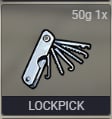
Step 1 - Hit the Register
Locate an eligible store register and use your Lockpick to begin. Complete the register minigame to access the cash inside.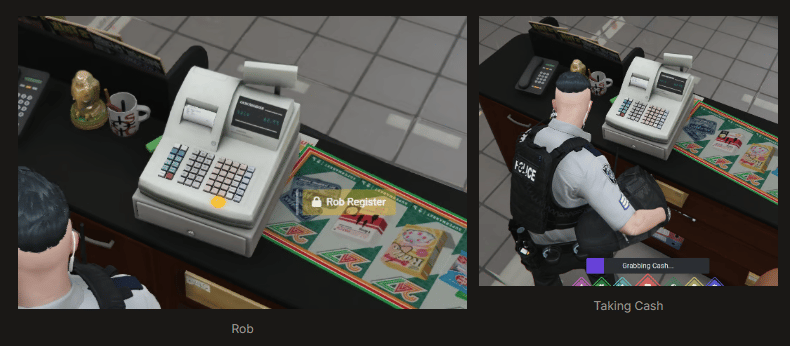
Step 2 - Find the Safe Code
A successful register robbery gives you a chance to find a note containing the safe code.
No code? You still have another opportunity.
Step 3 - Hack the Computer
Find the store computer and attempt to access its security system. The computer offers an alternative way to obtain the information needed for the safe.
Security Questionnaire
The computer’s security process includes a 5-question questionnaire. Questions may cover security awareness, logic, computers, and common-sense situations. Don’t expect this guide to provide the answers. Work through the questions yourself.Code From Register
A lucky register robbery may give you the safe-code note directly.
Code From Computer
Otherwise, challenge the store’s computer security system and try to recover the code.
Step 4 - Open the Safe
With the code in hand, make your way to the store safe. Enter the code and complete the safe interaction to collect its contents.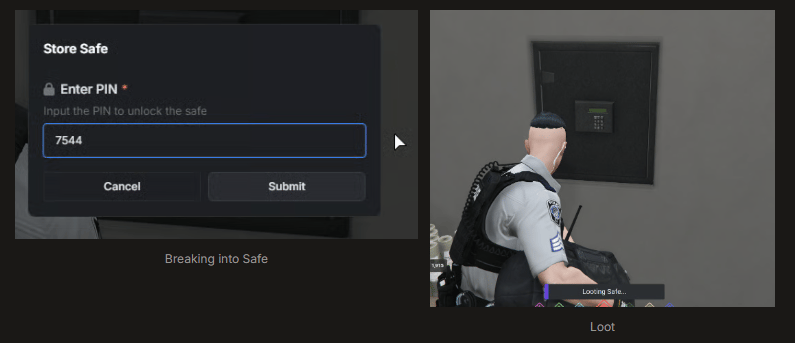
Hostage Rules & Police Negotiations
Hostages are optional for store robberies. You are not required to bring, take, or hold a hostage to start the crime. If you do choose to use a hostage, the type of hostage determines how many demands you may make during negotiations with police.Human Hostage
A real player hostage allows 2 demands per hostage/player.Free Passage counts as a demand.
Local Hostage (Cashier)
A local/NPC cashier hostage allows 1 demand.Free Passage is included in that one-demand allowance, not an extra demand.
Police Response & Risk
Store robberies are criminal activities and may trigger police dispatch. The configured police alert risk is 35%. Having enough officers on duty to start the robbery does not mean police will ignore it. Your actions, witnesses, and how the scene develops can all affect the roleplay.Rewards & Criminal Progression
Store robberies offer more than a single payout. The register provides an immediate opportunity for money, while the safe can contain additional valuables.These are configured reward ranges and entries, not a promise that every safe will award every listed item.
What About the Fleeca Card?
The criminal world doesn’t end at Tier 1. Keep your eyes open for leads, useful items, and opportunities that may help you reach Tier 2. The current store robbery configuration does not explicitly list a Fleeca Card as a register or safe reward, so this guide does not promise one as a drop.Store Robbery Flow
1. Prepare
Bring a Lockpick. Ensure 2 officers are on duty. A hostage is optional.
2. Rob Register
Complete the register minigame and collect the cash.
3. Recover Code
Find a code note at the register or try the computer, with 2 attempts.
4. Open Safe
Use the code and collect whatever rewards the safe contains.